Description
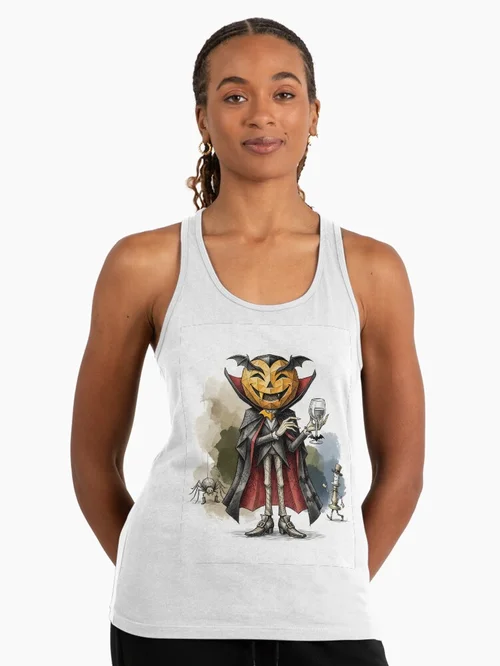
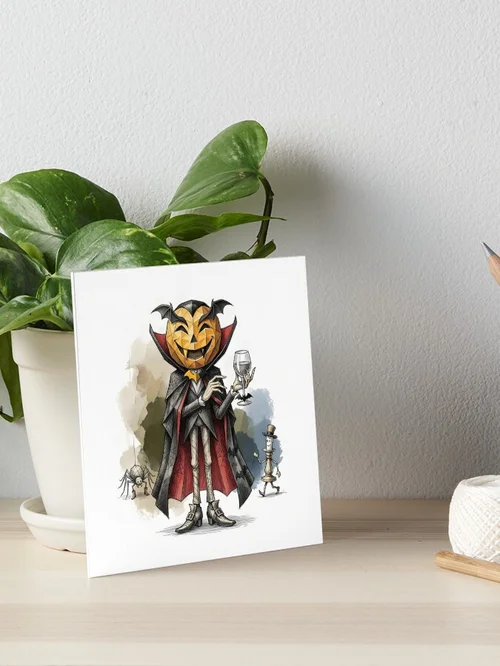
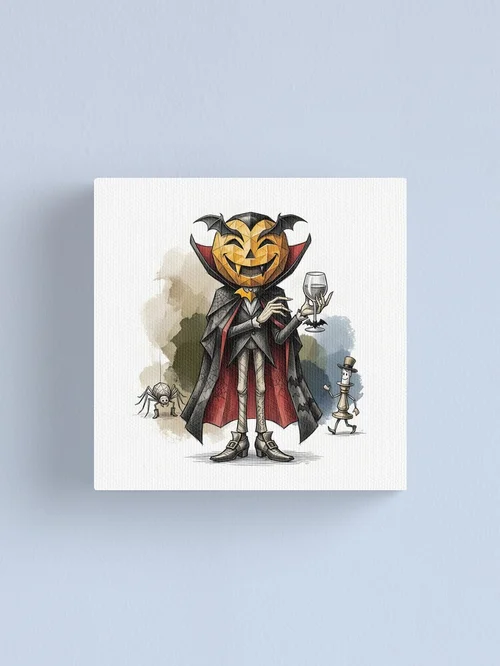
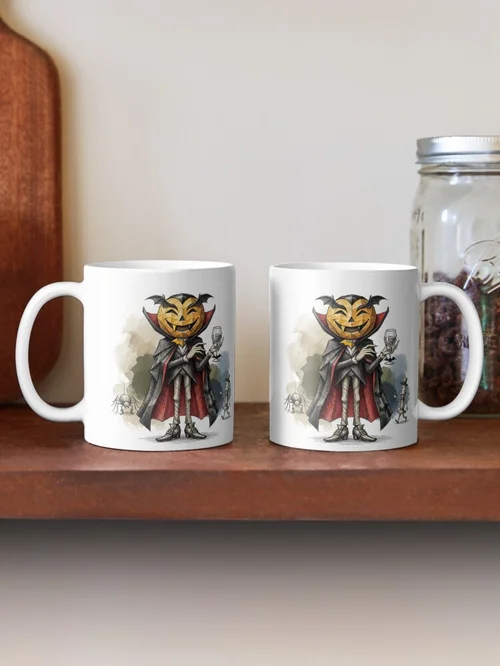
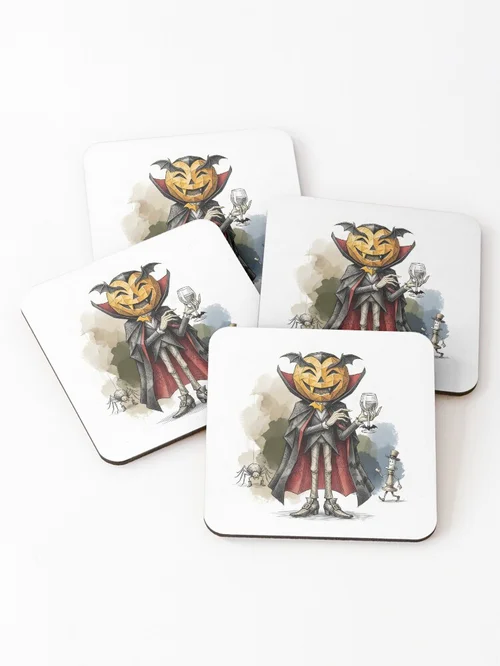
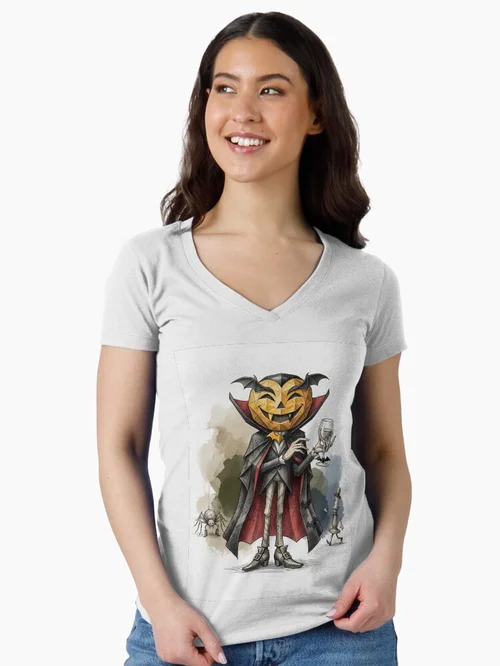
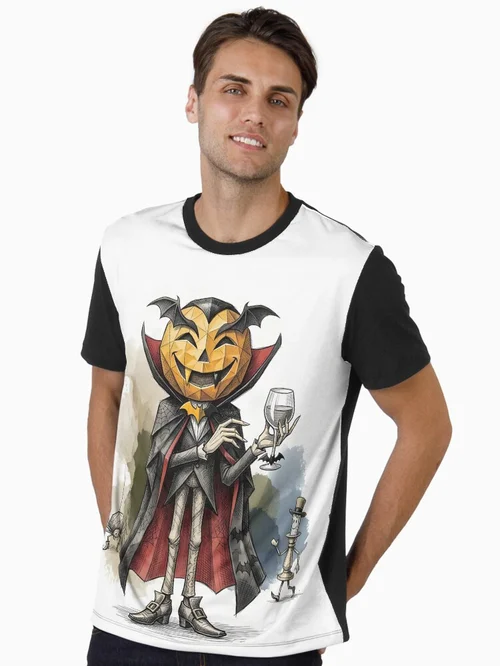
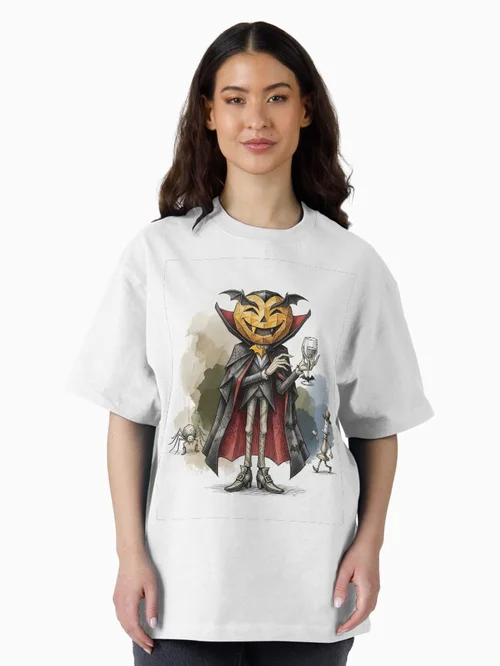
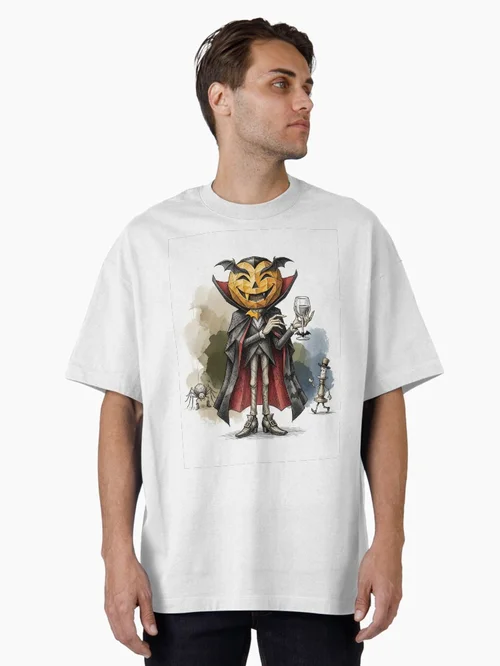
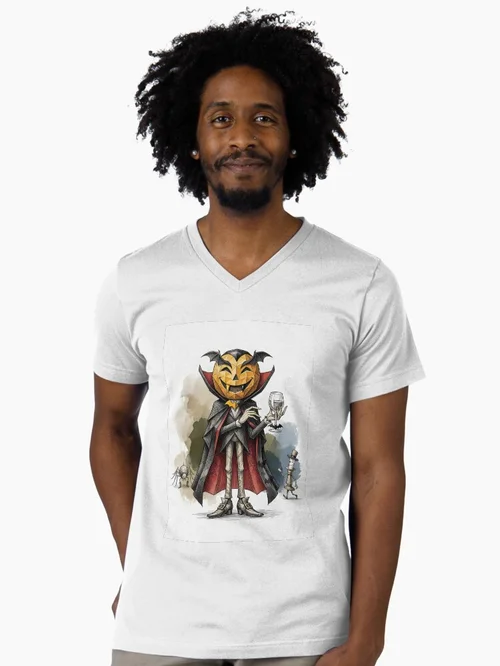
When Halloween decorations start appearing in shop windows and digital galleries, the most memorable pieces are often the ones that feel both eerie and unexpectedly charming. Origami Dracula vampire art captures that balance with ease. In Marcu Ioachim’s playful interpretation, a geometric orange face, sharp fangs, bat details, and an elegant black-and-red Gothic cape combine to create a character that is spooky without losing its sense of fun. It is the kind of image that makes viewers pause, smile, and then notice how carefully every folded angle and ink line has been designed.
The appeal of a paper vampire
Dracula has long been one of Halloween’s most recognizable figures, but the character becomes even more interesting when translated into origami. Paper gives the vampire a sense of fragility that contrasts with the traditional image of an immortal predator. At the same time, the folds and crisp edges lend a theatrical quality that suits Gothic storytelling perfectly. The result feels crafted rather than mass-produced, as if the character stepped out of a handmade pop-up book and into a haunted castle corridor.
Geometry gives the character personality
The most striking feature of this origami Dracula is the face. Instead of aiming for realism, the design leans into geometry, using sharp planes and simplified shapes to build expression. The orange face adds warmth and brightness, while the fangs and bat-inspired accents immediately signal danger. That tension is what makes the artwork so effective. The character is clearly vampiric, yet the stylized approach keeps it approachable. It becomes a visual joke, a Halloween icon, and a design object all at once.
The cape turns the figure into a story
No Dracula would feel complete without a dramatic cape, and here the black-and-red Gothic styling does much more than decorate the figure. The cape frames the body like a stage curtain, directing the eye toward the face and fangs. The red lining adds richness and depth, while the black exterior grounds the composition in classic horror imagery. This contrast also strengthens the sense of movement, as though the vampire has just turned toward the viewer with a flourish of fabric and a perfectly timed grin.
Why Halloween and Gothic design pair so well
Halloween art thrives on contrast: cute and creepy, ancient and playful, elegant and mischievous. That is why Gothic elements work so naturally in seasonal illustrations. Ornate capes, dramatic shadows, and old-world vampire references bring a sense of tradition, while the bright orange tones and whimsical styling keep the image from becoming too serious. In this way, the origami Dracula vampire becomes more than a character portrait. It becomes a celebration of the holiday’s ability to mix fright with delight.
Spiders, ink, and watercolor add atmosphere
The surrounding details are just as important as the vampire itself. A quirky spider, whimsical Halloween characters, watercolor textures, and detailed ink illustrations all help build a miniature world around the main figure. These layered effects make the artwork feel alive, as if it were part of a larger scene filled with ghostly companions and paper-crafted props. Watercolor brings softness and mood, while ink outlines sharpen the composition and preserve the graphic clarity needed for a strong Halloween design.
From novelty to collectible art
What makes this kind of image especially appealing is its versatility. It can work as a greeting card illustration, a poster for a Halloween event, a decorative print, or even inspiration for paper craft enthusiasts looking for a fresh seasonal project. Because the design blends recognizable horror imagery with handcrafted aesthetics, it appeals to both Gothic art fans and viewers who simply enjoy clever character design. The piece feels collectible because it has a distinct visual identity, yet it also feels accessible enough to fit into a wide range of creative settings.
A design that invites interpretation
Part of the charm lies in how much personality can be suggested through simple elements. A tilted brow, a fang peeking from a smile, a cape that moves like a shadow, and a spider that seems to have wandered into the scene by accident all contribute to the character’s story. Rather than relying on gore or shock, the artwork uses wit and style to create its mood. That makes it especially memorable in a crowded season of pumpkins and ghosts, where originality often matters more than intensity.
Origami Dracula vampire art reminds us that Halloween does not need to choose between spooky and stylish. By combining sharp paper geometry, Gothic color contrast, watercolor warmth, and a touch of humorous mischief, the design creates a character that feels timeless and fresh at the same time. It is a perfect example of how a familiar monster can be transformed into something artistic, playful, and impossible to forget.


Reviews
There are no reviews yet.